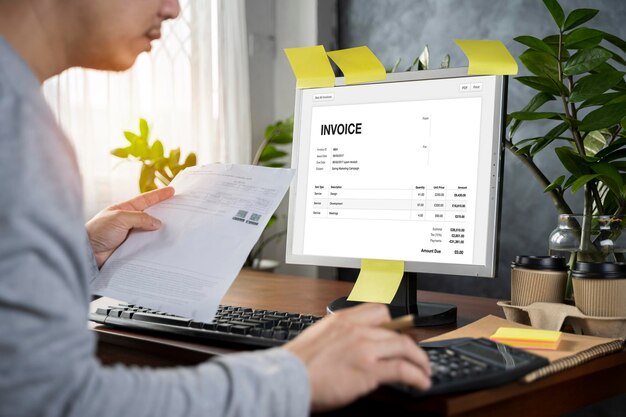
Invoice Factoring for Small Businesses in the UK: Costs, Benefits, and Use Cases in 2026
Late payments still sink more small businesses than bad ideas ever do. According to UK payment data, many SMEs wait over 45 days to get paid, sometimes longer if a larger client decides to drag their feet. That gap between doing the work and seeing the money can feel endless, especially when wages, VAT, and suppliers refuse to wait politely.
This is where invoice factoring for small businesses quietly earns its keep. Not as a shiny finance trend, but as a practical tool that keeps the lights on and the stress levels down.
Why invoice factoring for small businesses still matters in 2026
Cash flow pressure has not eased just because technology has improved. If anything, small businesses now grow faster, take on more clients, and carry bigger monthly overheads. Waiting two months to be paid is no longer a minor inconvenience. It can stall growth or force tough decisions.
Invoice factoring finance turns unpaid invoices into usable cash, usually within 24 to 48 hours. You sell your invoice to a factoring provider, receive most of its value upfront, and the provider collects payment from your customer later. Simple on paper. Powerful in practice.
Unlike traditional loans, factoring is tied to your sales, not your credit score. That matters if your business is young, seasonal, or simply allergic to long bank approval processes.
Understanding the real costs of invoice factoring in the UK
Cost is always the first question, and rightly so. No one wants to swap one problem for another.
Invoice factoring costs generally fall into two categories. The service fee and the discount fee.
The service fee covers administration, credit control, and collections. This often sits between 0.5 percent and 3 percent of your invoice value, depending on volume and risk.
The discount fee is similar to interest. It applies to the money advanced and is usually linked to the Bank of England base rate plus a margin.
Here is the part many business owners miss. When factoring replaces the need for overdrafts, late payment chasing, or emergency loans, the overall cost often balances out. Some even find it cheaper when time and mental energy are factored in.
Transparency matters. Reputable invoice factoring services explain fees clearly and avoid locking you into inflexible contracts. That is where working with a specialist platform makes a real difference.
Invoice factoring vs Invoice Discounting for growing businesses
These two often get lumped together, but they serve different personalities.
Invoice factoring is hands on. The provider manages collections and speaks directly with your customers. Ideal if chasing payments is your least favourite job or you want a cleaner admin slate.
Invoice Discounting is quieter. You keep control of customer relationships and collections while accessing cash against invoices. It suits established businesses with solid credit control systems.
Many UK SMEs start with factoring and later move to an invoice discounting service once their internal processes mature. It is not a step backwards or forwards. It is a shift in how involved you want to be.
Practical use cases across UK industries
Invoice factoring for small businesses is not industry locked. Its flexibility is the reason it shows up everywhere.
In construction, where payment cycles stretch and retention clauses hurt cash flow, factoring keeps projects moving without personal guarantees.
In recruitment agencies, weekly payroll does not wait for clients to settle invoices. Factoring bridges that gap smoothly
In logistics and transport, fuel costs rise immediately while invoices linger. Factoring absorbs the delay.
Freelancers and consultants also benefit, especially those working with corporate clients who operate on rigid payment schedules. Factoring removes the awkward follow ups and replaces them with predictable cash.
Benefits beyond fast cash
Speed is only part of the story.
Factoring stabilises cash flow, which improves planning. When you know money is coming in reliably, decisions become calmer and smarter.
Outsourced credit control reduces admin pressure. Many business owners underestimate how much headspace chasing invoices consumes until it is gone.
It also supports growth. Taking on a larger contract no longer means worrying about how long payment will take. Your funding grows alongside your sales.
There is also a quiet confidence that comes from knowing your business is not one delayed payment away from panic mode.
Common misconceptions that still linger
Some assume factoring signals financial trouble. In reality, many healthy businesses use invoice factoring services strategically. It is a cash management tool, not a distress flare.
Others worry customers will react badly. Modern factoring providers handle collections professionally and discreetly. Most customers barely notice a difference.
There is also fear of complexity. In truth, setup is often quicker than opening a business bank account, with far fewer hoops.
Choosing the right invoice factoring partner in 2026
Not all providers are built the same. Look for flexibility, transparent pricing, and a clear understanding of small business realities.
Avoid long lock ins unless the terms genuinely benefit you. Ask how disputes are handled and how customer relationships are protected.
A good provider feels less like a lender and more like a back office ally.
Best Invoice Discounting connects businesses with tailored invoice factoring finance options, saving time and preventing expensive missteps.
Final thoughts and a practical next step
Cash flow problems rarely announce themselves politely. They creep in, tighten margins, and distract from the work that actually grows a business.
Invoice factoring for small businesses is not about fixing failure. It is about supporting momentum. If your business delivers value but waits too long to be paid for it, factoring deserves a serious look.
If you want to explore invoice factoring services or compare them with Invoice Discounting options, start with a clear view of your invoices and growth goals. The right solution should feel like relief, not another obligation.
Read Also: What Is a Cash Advance Fee in the UK? How It Works and When It Applies in 2026
FAQs
Ans. It is a funding method where a business sells unpaid invoices to a provider in exchange for immediate cash, improving cash flow without taking on traditional debt.
Ans. Costs vary based on turnover, customer creditworthiness, and service level. When used correctly, it often replaces other hidden costs like overdrafts or late payment penalties.
Ans. With factoring, the provider usually manages collections, so customers are informed. Professional handling ensures relationships remain intact.
Ans. Invoice Discounting lets you keep control of collections while accessing funds. Factoring includes credit control and collections as part of the service.
Ans. Yes. Many freelancers and contractors use factoring or an invoice discounting service to avoid long payment delays from corporate clients.
Discover the Latest Trends
Stay informed with our latest articles and resources.