What Is Account Payable? Meaning, Examples, and Importance in UK Accounting
You approve a supplier invoice today. The cash leaves your bank in 30 days. In that window, your business owes money but has not yet paid it. That obligation sitting quietly on your balance sheet is called accounts payable.
If you have ever asked yourself what is account payable, you are not alone. Many business owners use the term daily without fully unpacking what it means or how deeply it affects cash flow.
Let’s clear it up properly.
What Is Account Payable in Simple Terms?
Accounts payable refers to the money your business owes to suppliers for goods or services received on credit. It is recorded as a liability in your accounting records until the payment is made.
In UK accounting, accounts payable appears under current liabilities on the balance sheet. It reflects short term obligations, usually due within 30 to 90 days.
It sounds technical, but in reality it is straightforward. If you have received an invoice and have not yet paid it, that amount is part of your accounts payable.
A Practical Example
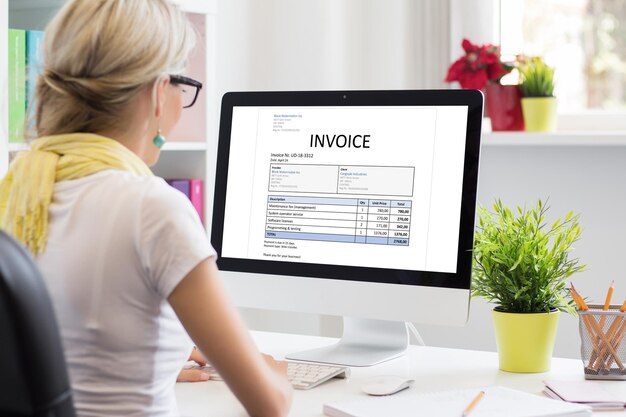
Suppose you run a small marketing agency in Manchester. You outsource design work to a freelancer and receive a £2,000 invoice with 30 day payment terms. Until you pay that invoice, the £2,000 is recorded as accounts payable.
At the same time, your own clients may owe you £15,000 in unpaid invoices. That amount is accounts receivable.
One shows what you owe. The other shows what you are owed. The balance between the two often determines how comfortable your cash position feels at the end of the month.
Why Accounts Payable Matters More Than You Think
Accounts payable is not just a bookkeeping entry. It influences supplier relationships, credit ratings, and working capital.
1. Cash Flow Control
Well managed accounts payable allows you to preserve cash for as long as agreed without damaging trust. Pay too early and you restrict liquidity. Pay too late and relationships suffer.
Timing is everything.
2. Supplier Confidence
Reliable payment patterns build credibility. Suppliers may offer better credit terms or early payment discounts when they trust your payment discipline.
3. Business Stability
If accounts payable grows faster than revenue, it can signal underlying financial strain. Monitoring it closely gives you early warning signs.
Strong businesses treat accounts payable as a strategic lever, not an afterthought.
Accounts Payable and Working Capital
Here is where things become interesting. Many SMEs face a mismatch between incoming and outgoing payments. You might need to pay suppliers within 30 days, while your clients insist on 60 day terms.
That gap creates pressure.
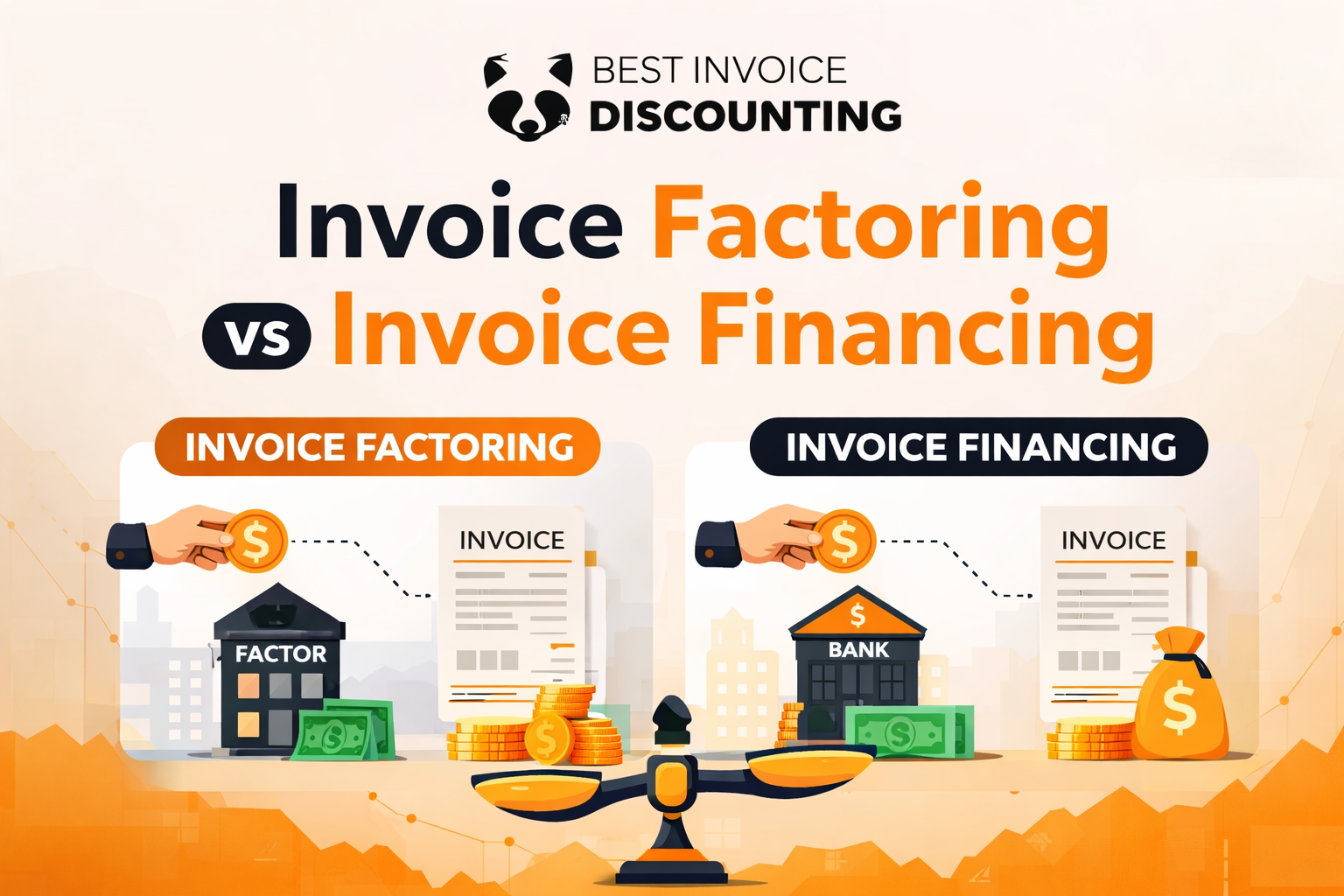
Understanding what is invoice financing can help bridge this imbalance. Invoice finance allows you to unlock cash tied up in unpaid invoices, strengthening your ability to manage accounts payable without stress.
For example, partnering with experienced invoice discounting providers can release funds against outstanding invoices, ensuring supplier payments are made on time.
Choosing the Right Funding Support
When cash flow gaps become frequent, external support can make a measurable difference.
Businesses often explore:
- Invoice factoring services, where a provider advances funds and may handle credit control
- Confidential facilities from leading invoice discounting providers
- Flexible options such as Single Invoice Discounting for occasional funding needs
- Tailored solutions from the best invoice discounting providers UK for growing companies
- Specialist funding like invoice finance for recruitment agencies managing payroll gaps
A structured invoice discounting service does not replace good financial management. It complements it, giving you control over when and how cash enters your business.
Common Mistakes in Managing Accounts Payable
Even experienced directors make simple errors.
Ignoring small supplier invoices because they seem insignificant can distort financial reporting. Failing to reconcile statements monthly can lead to duplicate payments. Relying solely on memory rather than structured systems increases risk.
Modern accounting software helps, but discipline matters more.
Regular review of your payables ledger keeps your financial house in order.
Read Also: How Does Invoice Factoring Work? Step-by-Step Process for UK Businesses
Final Thoughts
Understanding what is account payable is about more than definitions. It is about recognising how outgoing obligations shape your daily decisions.
When managed carefully, accounts payable supports healthy supplier relationships and stable cash flow. When ignored, it quietly chips away at business confidence.
If your accounts payable cycle is putting pressure on your working capital, it may be time to explore smarter funding options. At Best Invoice Discounting, we help UK businesses unlock cash tied up in invoices so they can meet obligations comfortably and grow without financial strain.
Cash flow should empower your decisions, not limit them.
FAQs
Ans. Accounts payable is the money a business owes to suppliers for goods or services received on credit, recorded as a current liability.
Ans. It is a liability because it represents money your business must pay out.
Ans. Higher accounts payable means more short term obligations, which can strain cash flow if not balanced with incoming payments.
Ans. Accounts payable is what you owe. Accounts receivable is what customers owe you.
Ans. Yes. By unlocking cash from unpaid invoices, invoice finance improves liquidity and helps businesses meet supplier payments on time.
Discover the Latest Trends
Stay informed with our latest articles and resources.