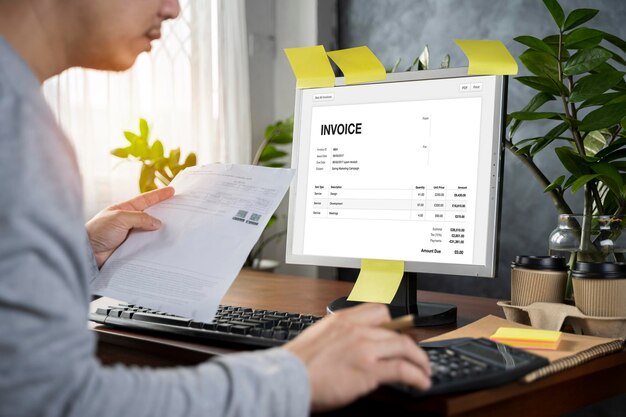
What is Invoice Factoring and How Does It Work?
Cash flow problems rarely knock politely. They show up on a Friday afternoon, right when wages are due and a big client still has not paid. If you run a business in the UK, especially one offering services or trading goods on credit, you already know this pressure. That is where invoice factoring quietly steps in and keeps things moving.
What is Invoice Factoring?
So, what is invoice factoring? It is a form of business finance where you sell your unpaid invoices to a factoring company. Instead of waiting 30, 60, or even 90 days for customers to pay, you get most of the money upfront. The factoring company then collects payment from your customer later.
You are not taking a loan. You are unlocking cash that already belongs to your business. That difference matters more than many realise.
Invoice factoring is widely used by UK SMEs in logistics, recruitment, manufacturing, construction, and professional services. Anywhere invoices rule the cash flow, factoring tends to follow.
How Invoice Factoring Works in Real Life
Understanding invoice factoring finance becomes much easier with a real world scenario.
You complete work for a client and issue an invoice for £10,000 with 60 day payment terms. Instead of waiting two months, you send that invoice to a factoring provider.
Within 24 hours, sometimes faster, the factor advances around 80 to 90 percent of the invoice value. That means £8,000 to £9,000 lands in your business account almost immediately.
The factoring company then manages the credit control. They chase payment, send reminders, and receive the funds directly from your customer. Once the invoice is paid in full, the factor releases the remaining balance to you, minus their fee.
It feels a bit like getting paid early, without awkward phone calls or sleepless nights.
Why Businesses Choose Invoice Factoring
Cash flow is the obvious reason, but it is not the only one.
Many business owners underestimate how much time they spend chasing invoices. Those polite follow ups, the not so polite ones, and the constant checking of bank statements. Invoice factoring services remove that admin burden. You focus on growth. They focus on getting paid.
There is also a psychological benefit. Knowing your cash flow is predictable changes how you make decisions. You can take on larger contracts, negotiate better supplier terms, and invest with confidence rather than fear.
Invoice Factoring vs Invoice Discounting
This question comes up all the time, and it should.
Invoice factoring involves the factoring company handling collections and interacting with your customers. Invoice Discounting, on the other hand, keeps credit control in house. Your customers never know a finance provider is involved.
If you prefer a quieter arrangement and already have strong credit control systems, Invoice Discounting may suit you better. If you want support and fewer admin headaches, factoring is often the easier route.
Many businesses start with factoring and later move to an invoice discounting service as they grow. It is not a permanent label. It is a tool you can adapt over time.
Is Invoice Factoring Right for Your Business?
Invoice factoring works best for B2B businesses that invoice customers on credit terms. If your clients pay reliably but slowly, factoring fits naturally.
It is especially helpful during growth phases. More sales usually mean more invoices, but also more cash tied up. Factoring scales alongside your turnover, unlike traditional loans that stay fixed.
That said, it is not for everyone. If your customers pay immediately or you operate mainly in cash, factoring adds little value. Also, some businesses prefer full control over customer
communication.
Costs and fees explained honestly
Let us talk about the part everyone worries about.
Invoice factoring fees typically include a service fee and a discount fee. The service fee covers credit control and administration. The discount fee is the cost of advancing funds early.
Fees vary based on turnover, customer risk, and invoice volume. While factoring costs more than a standard bank loan on paper, the comparison is often misleading. Banks rarely offer flexibility or speed. Factoring responds to real trading activity, not forecasts and promises.
Many businesses find the cost worthwhile once they factor in saved time, reduced stress, and improved cash flow stability.
Trust, Risk, and Customer Relationships
A common fear is how customers will react. In reality, most larger companies already work with factoring firms and see it as standard practice.
Professional invoice factoring services handle communication carefully. Your brand reputation matters to them because it affects recovery rates. Done properly, customers barely notice the change.
Credit protection options can also be added, reducing the risk of bad debt. That extra safety net brings peace of mind when dealing with new or overseas clients.
Choosing The Right Invoice Factoring Partner
Not all providers operate the same way. Some focus on volume. Others specialise in certain industries.
Look for transparency, clear contracts, and flexible exit terms. Ask how they handle disputes, customer communication, and scaling. A good provider feels more like a finance partner than a faceless lender.
Websites offering invoice factoring finance should explain things clearly, without hiding fees behind jargon. If you feel confused after the first call, trust that instinct.
The Bottom Line
Invoice factoring is not about fixing a failing business. It is about supporting a healthy one that deserves access to its own money sooner.
When used correctly, it smooths cash flow, reduces admin stress, and gives business owners breathing space. Growth feels less risky when cash arrives on time.
If unpaid invoices are holding your business back, it might be time to explore invoice factoring services and take control of your cash flow again.
FAQs
Ans. Invoice factoring is when a business sells unpaid invoices to a finance company to receive cash upfront instead of waiting for customers to pay.
Ans. No. It is an advance against money your business has already earned. There is no traditional borrowing involved.
Ans. Yes, in most factoring arrangements. The finance provider collects payment directly from your customers.
Ans. Many providers release funds within 24 hours of invoice submission, sometimes even the same day.
Ans. Absolutely. Invoice factoring is commonly used by UK SMEs and often grows alongside the business.
Discover the Latest Trends
Stay informed with our latest articles and resources.